
I recently read Culture: The Story of Us, From Cave Art to K-Pop by Martin Puchner. I was looking for a book that would talk about how cultures have influenced each other (and continue to do so). This book seemed to be what I was looking for, so I borrowed a copy from my local library. Here are a few quotes that stood out to me, and my thoughts about them. You can think of this post as a reaction video in written form.
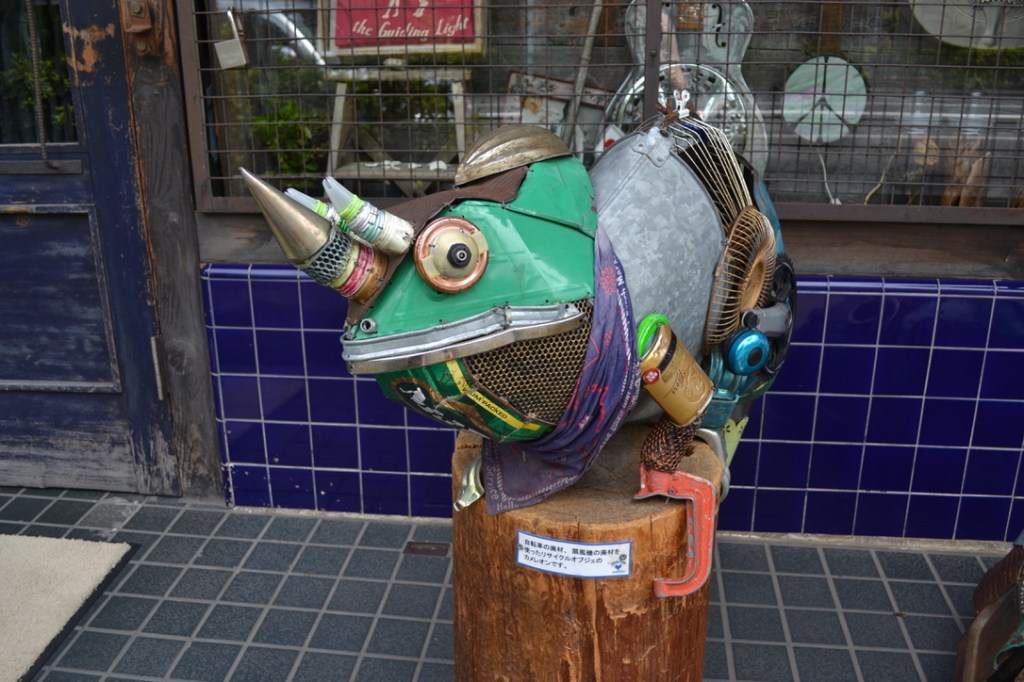
“In evaluating culture, we tend to overemphasize originality: when and where something was first invented…Culture is a huge recycling project, and we are simply the intermediaries that preserve its vestiges for yet another use. Nobody owns culture; we merely pass it down to the next generation.”
There seems to be a current focus on where a piece of culture, such as a style of music or article of clothing, comes from, and who it belongs to. While I wholeheartedly believe we should respect the traditions and culture of various people groups, especially those who have been oppressed or exploited, maybe a certain group’s culture is further harmed if it is not allowed to remix and fuse with other cultures.
“…culture thrives on syncretism, not purity, on borrowing cultural forms rather than locking them away. Great playwrights and performers will find material wherever they can to forge from it artworks that speak to their own time and place.”
This makes me think of the many copyright lawsuits especially in the music industry. If we valued culture over commerce, would these cases exist? I don’t think that artists should steal the work of another artist and call it their own. However, if “culture is a huge recycling project”, where is the line between recycling and stealing?
“Purists also deprive their own cultures of valuable resources by limiting access to meaning-making strategies from the past and from other societies. Cultures thrive on the ready availability of different forms of expression and meaning-making, on possibilities and experiments…Those invested in purity, by contrast, tend to shut down alternatives, limit possibilities, and police experiments in cultural fusion. By doing so, they impoverish themselves while condoning or encouraging the neglect and destruction of those aspects of the past that do not conform to their own, narrow standards.”
In his video Is Music Theory Racist?, music YouTuber Adam Neely gives a detailed explanation of one example of how the cultural purity police have limited our view of good and correct culture. There are, of course, many other examples, but this is one that came to mind when I read this quote.
“The Korean Wave was able to reach such a large audience because, from the beginning, it was based on a mixture of styles including rock, jazz, reggae, and Afrobeat.”
On the other hand, K-Pop disregards a lot of “the harmonic style of 18th century European musicians” (refer to Neely’s video), but there are some Koreans who would say that 18th century European music is superior to K-Pop even though it is not from their own cultural traditions. Borrowed traditions seem to have their own cultural police as well.
“There is much the arts and humanities have to contribute. Our era is enamoured with technological innovation and the promise that breakthrough solutions to our most pressing problems are just around the corner. But we can’t engineer our way out of today’s most intractable conflicts, which are based on age-old troubles involving clashing identities, colliding interests, and opposing beliefs. These conflicts can only be addressed if they are understood as reaching deep into the cultural past, which can only be achieved with the use of tools provided by the humanities.”
I recently saw a quote by Eduardo Galeano that says we live in a world where we value containers over content. In other words, it seems we are focused on creating new and better containers (technological innovation), and care very little about what goes in them. Social media platforms are one example of this. The quality of the content doesn’t matter. A carefully planned, well-written post may get 50 views, while a post that doesn’t really say anything, but contains a couple of buzzwords may get over 1 million. 100 comments with a single emoji have the same value (to the algorithm) as 100 comments with thoughtful, engaged responses. Maybe it isn’t just “our era” as stated in the quote above. Is this just the latest iteration of a long line of containers? We as humans seem to have an inclination to collect all the information we have about ourselves and our world, from cave art to Greek theatre to universities to encyclopedias. All that aside, how can we find a balance between making better containers, and finding meaning and resolving conflicts? A big question.

 Connecting Clouds
Leave a comment